Our Projects

Our Project Portfolio

Climate Action

Delivered In Practice

Explore NatureFIX engagements across carbon markets, policy, clean cooking, agriculture, renewable energy and nature-based climate solutions.

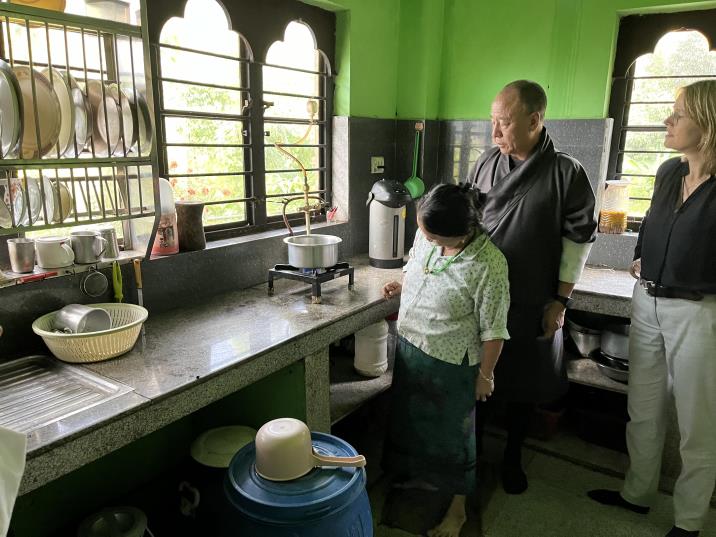
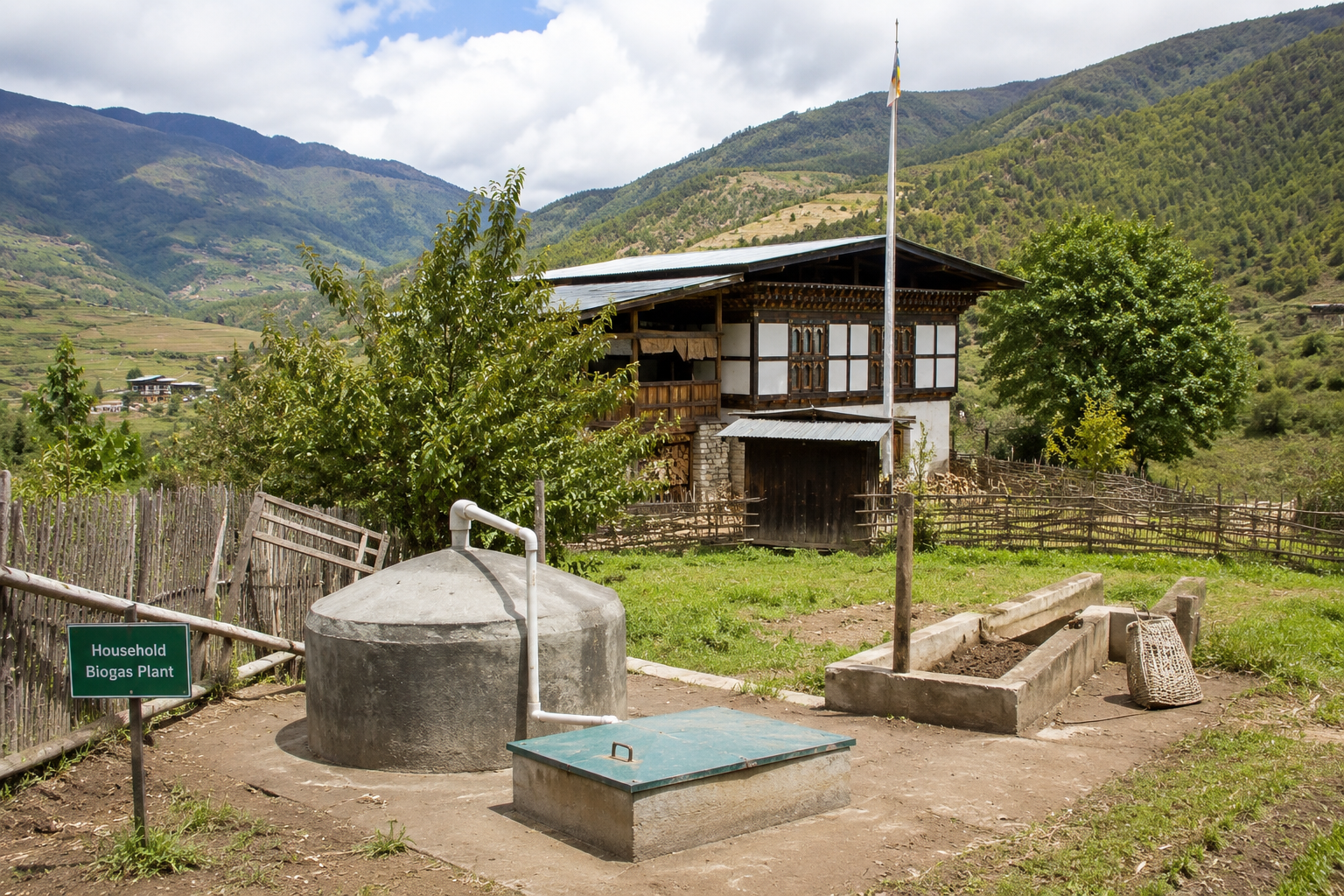
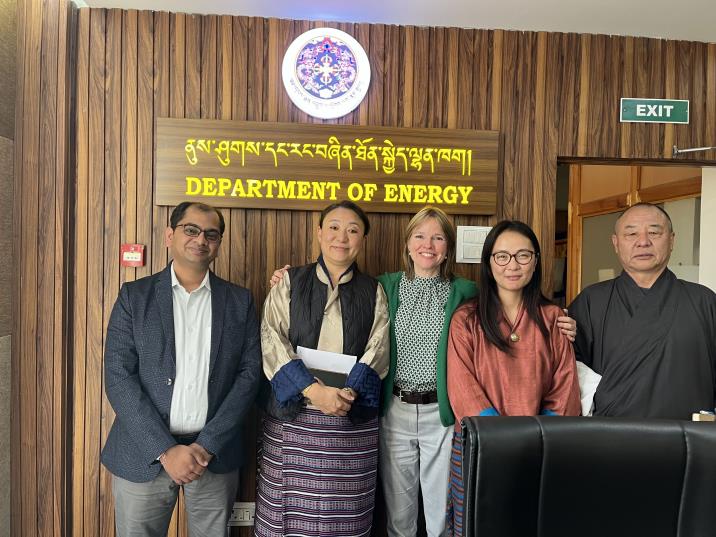
Feasibility of Household Biodigester project under Article 6 from Bhutan

Client: SNV Foundation, Bhutan
  • Assessed the applicability of Gold Standard and CDM methodology for the proposed carbon-project in Bhutan and finalize best suitable methodology & Standard for project activity
  • Remarks on additionality
  • High-Level estimation of Emission reduction from different size of biodigester in Bhutan
  • Identification of risk associated with implementation, operation and regular management of biodigesters
  • Assessed possibility of biodigester project alignment with Article 6 strategy of host country or buyer country
  • Support SNV in finalization term sheet for investors
Potential of Article 6 Project in Bhutan

Client: SNV Foundation, Laos
  • Assessed the applicability of Gold Standard metered methodology
  • High-Level estimation of Emission reduction
  • Assessed options to pitch Smoke free village programme to buyers and investors
  • Assessed possibility of electric stove project alignment with Article 6 based discussion with different stakeholders like government agencies and NGOs (e.g. GGGI)
  • Supported SNV in finalization term sheet for investors
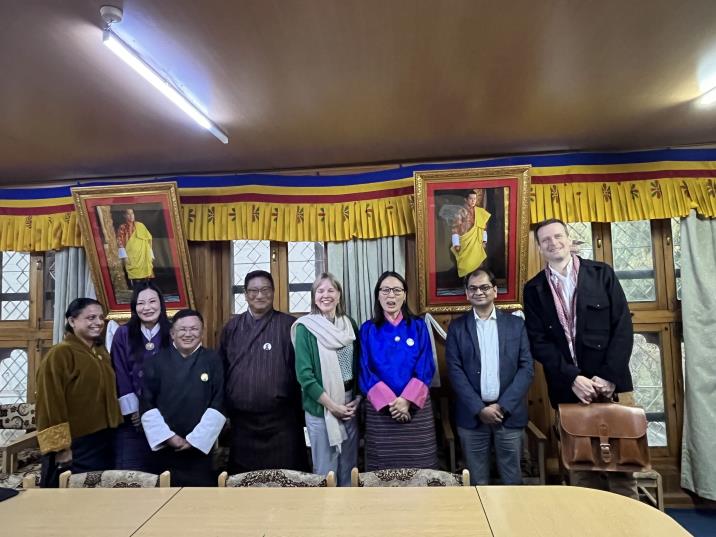
  • Delivered a session on carbon market and Article 6 potential in Laos to different stakeholders

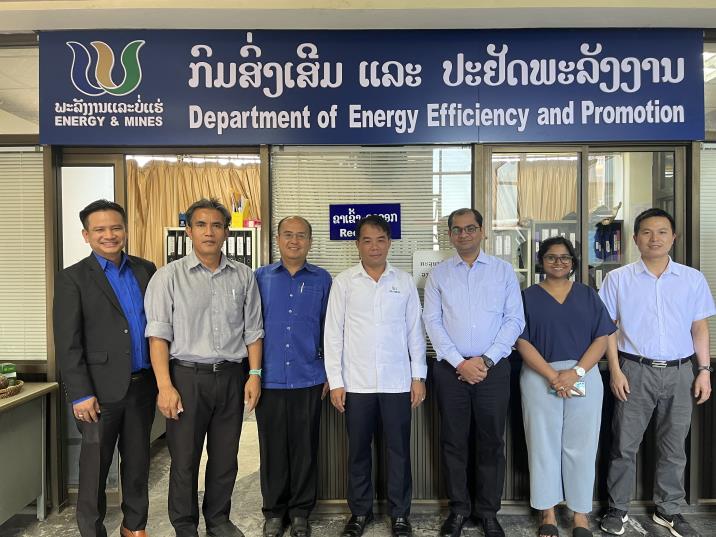
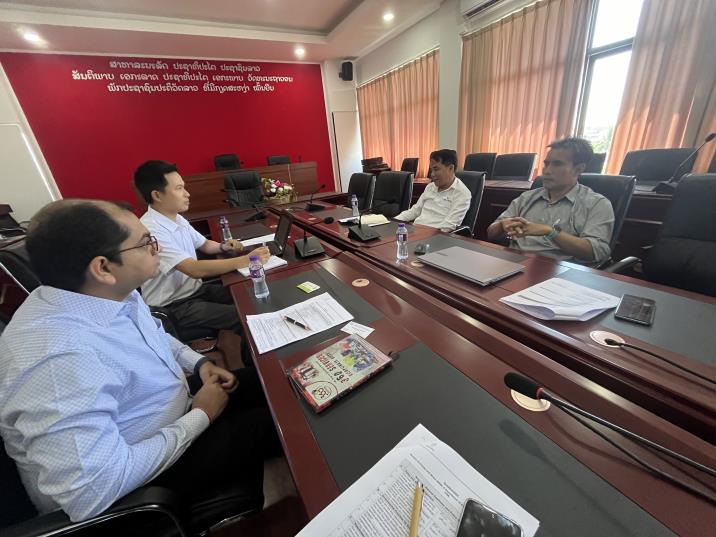
Lao PDR Renewable Energy & Policy Advisory Engagement

Partners & Stakeholders: Ministry of Energy & Mines (Lao PDR), SNV, NatureFIX
Location: Lao PDR
Project Status: Active Engagement & Strategic Collaboration

A strategic consultation initiative alongside SNV and senior leadership from the Lao PDR Ministry of Energy & Mines including the Department of Energy Efficiency and Promotion to shape policy mechanisms, and sustainable energy development across the region.

Core Focus Areas

  • Article 6 & Carbon Markets: Aligning national policy opportunities with Article 6 mechanisms to leverage international carbon markets.
  • Emerging Clean Tech Integration: Evaluating technical and market potential for green hydrogen, green ammonia, electric vehicles (EVs), and advanced biofuels.
  • Infrastructure & Scaling: Identifying solutions for rising regional energy demand, addressing grid infrastructure gaps, and unlocking key investment pathways.
  • Policy & Transition Frameworks: Building multi-stakeholder governance frameworks to accelerate Lao PDR's clean energy transition and support long-term climate resilience.

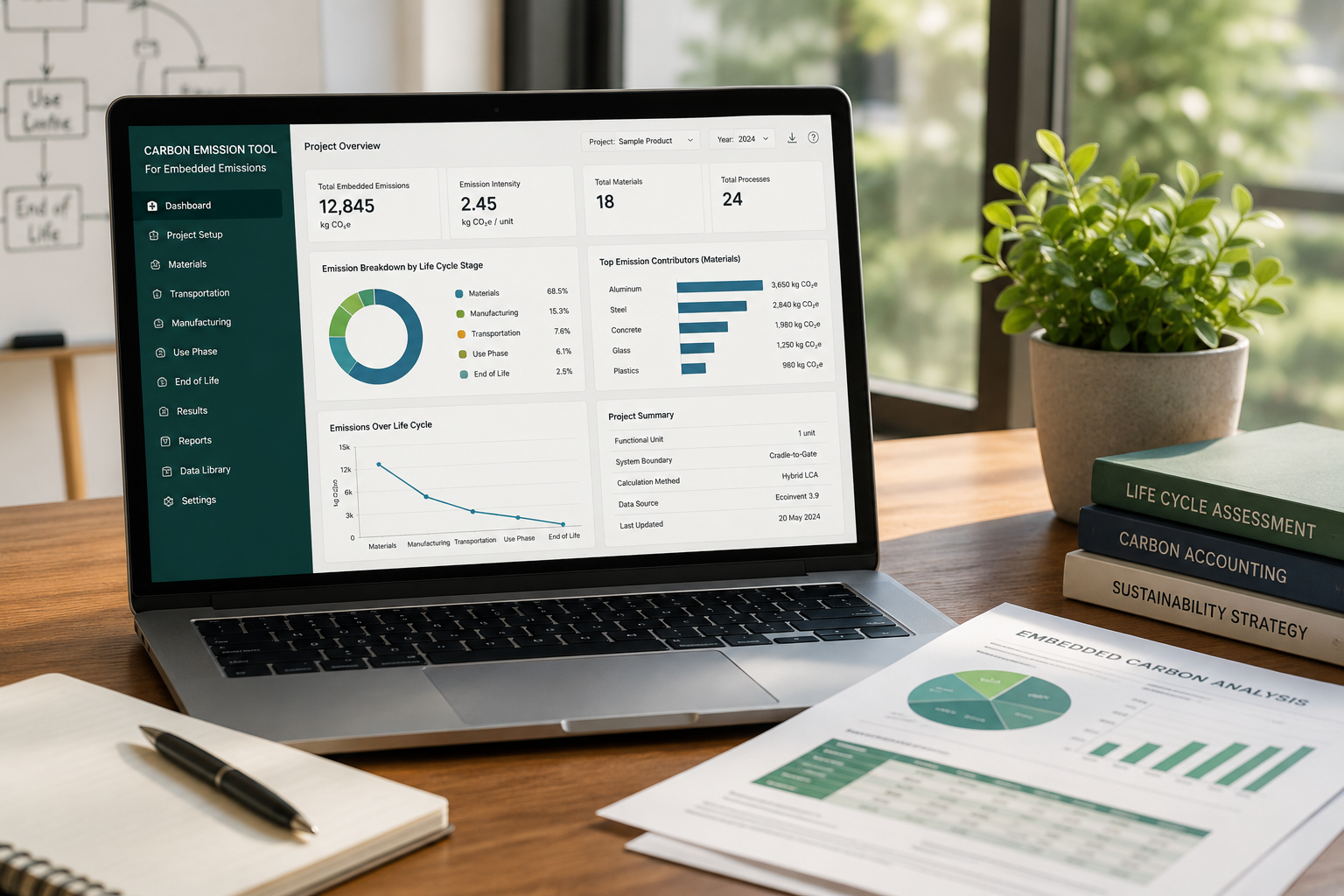
Carbon Emission Tool Development for Embedded Emissions

Client: Carbon Guardians
  • Identify relevant standards and protocols for carbon emission calculation.
  • Develop methodology and boundary conditions.
  • Design a sample report.
  • Filter and format the material list based on BOQs provided by CG.
  • Finalize and sign off on the list of materials with CG.
  • Populate carbon emission values as per the agreed methodology.
  • Conduct verification of emission calculations.
  • Develop and finalize the project report.
  • Present methodology and sample report to the client.
  • Conduct assessment comparing new and old structures.

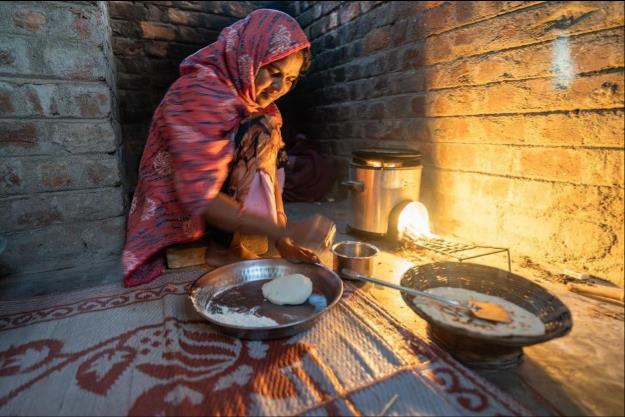
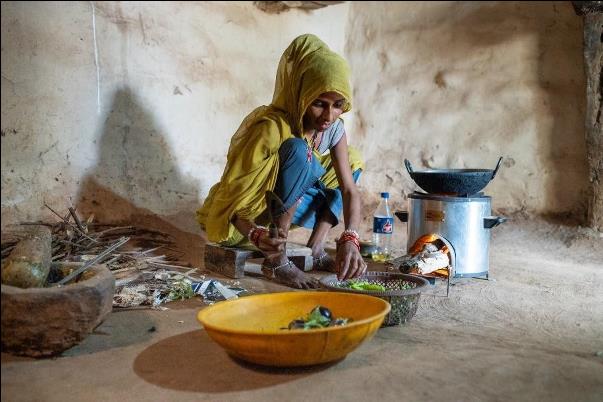
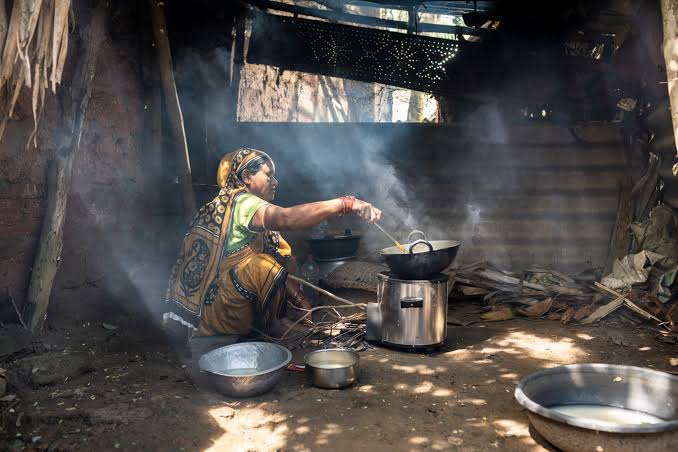
Improved Cookstove Project in Jharkhand

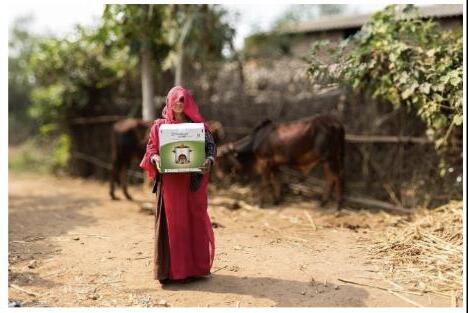
  • Promoted clean cooking solutions for socially deprived communities in Jharkhand.
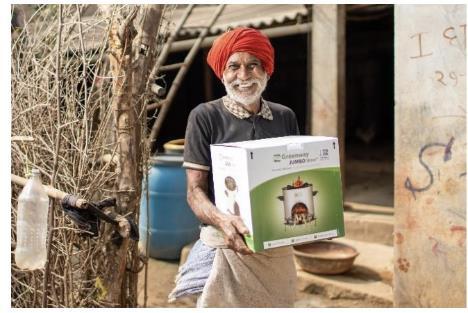
  • Led the distribution and adoption of Improved Cooking Stoves (ICS).
  • Monitored usage, collected data, and assessed health and environmental benefits.
  • Conducted awareness sessions and training for behavioural change.
  • Coordinated with local authorities, NGOs, and beneficiaries for effective execution.

SDG 13- Improved Cookstove (ICS) Programme (Zambia & Madhya Pradesh, India)

Client: SDG 13
  • Supported the implementation of Improved Cookstove (ICS) programmes in rural communities across Zambia and Madhya Pradesh, India.
  • Facilitated the distribution of improved cookstoves to households in remote villages to improve access to clean cooking solutions.
  • Contributed to climate change mitigation by reducing fuelwood consumption and associated greenhouse gas emissions.
  • Enhanced household health by reducing indoor air pollution and exposure to harmful smoke.
  • Promoted women's empowerment by reducing the time and effort required for fuelwood collection and cooking.
  • Generated broader sustainable development benefits, including improved livelihoods, environmental conservation, and progress towards multiple Sustainable Development Goals (SDGs).
  • Supported project monitoring, impact assessment, and documentation of environmental and social outcomes.

Socioeconomic Impact Survey

Location: Uttarakhand, India
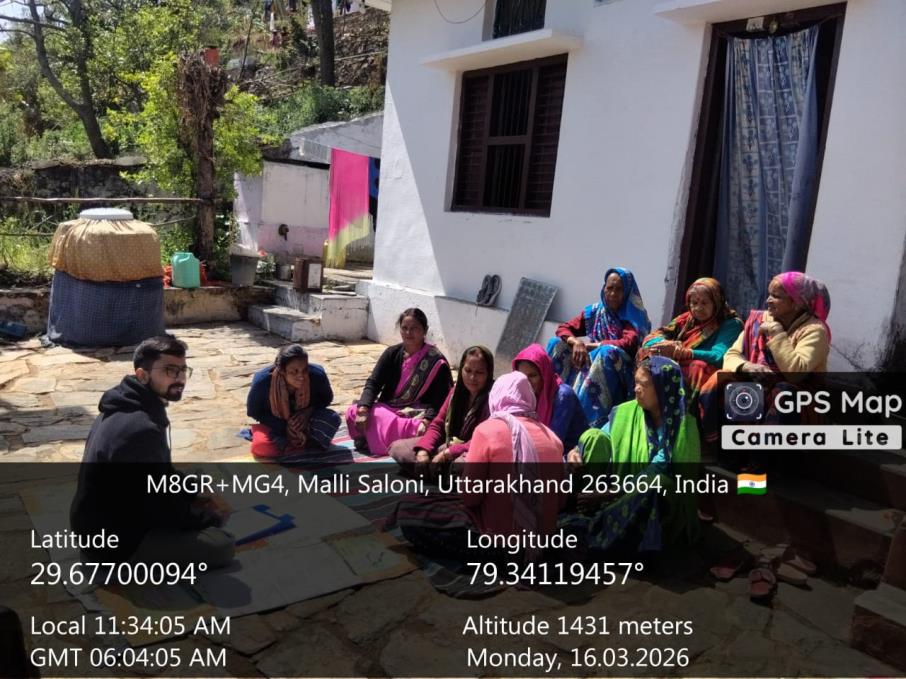
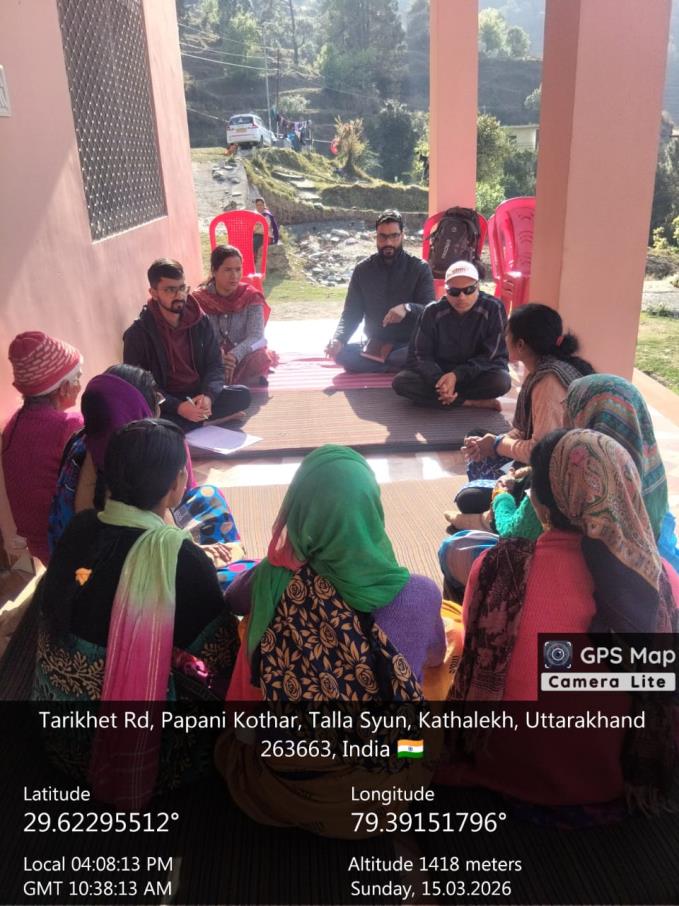
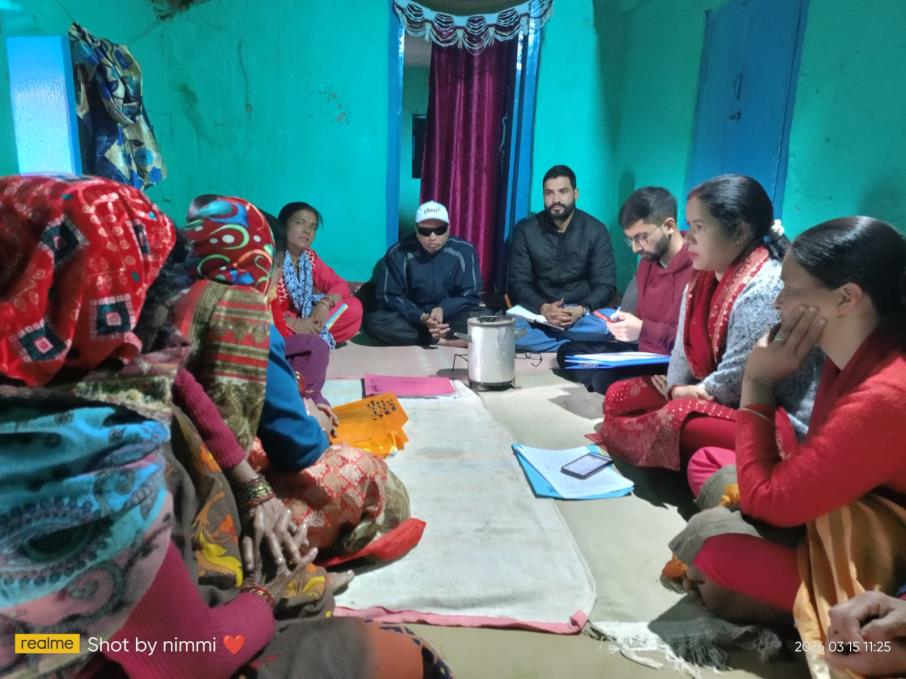
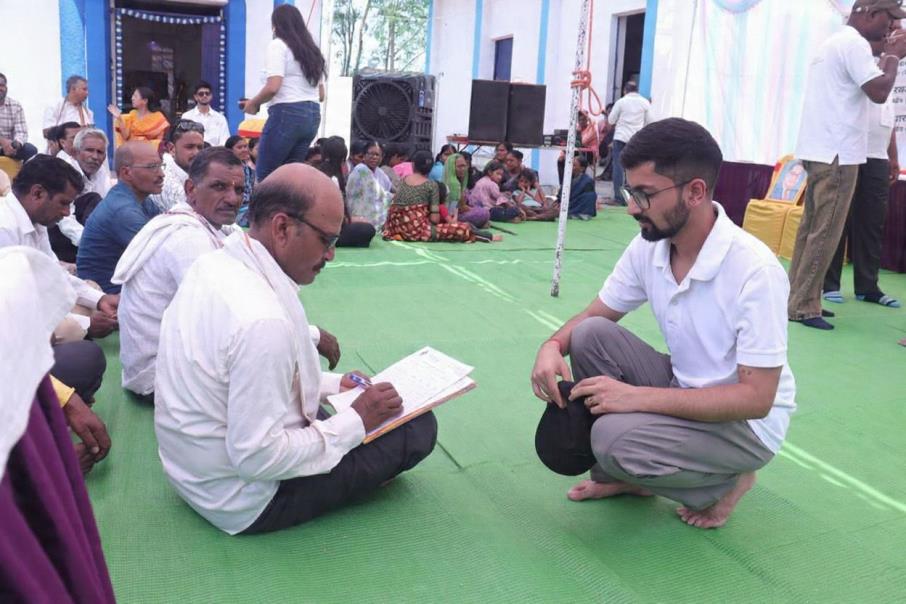
  • Conducted socio-economic impact surveys with Improved Cookstove (ICS) beneficiaries, including women, farmers and Persons with Disabilities, in remote villages of Uttarakhand.
  • Facilitated Focus Group Discussions with farmer and women beneficiaries to understand the socio-economic impacts and adoption of improved cookstoves.
  • Documented household experiences and project impacts through field-level beneficiary consultations and surveys.

Comparison of AFOLU Methodologies and Prepare Guidance for Gold Standard AFOLU Project Transition

Client: The Gold Standard Foundation
  • Compare AFOLU methodologies like VM0047, AMS0007, ACM0003 and Isometric reforestation methodology
  • Develop a guidance document for Gold Standard AFOLU project transition including ICVCM requirements

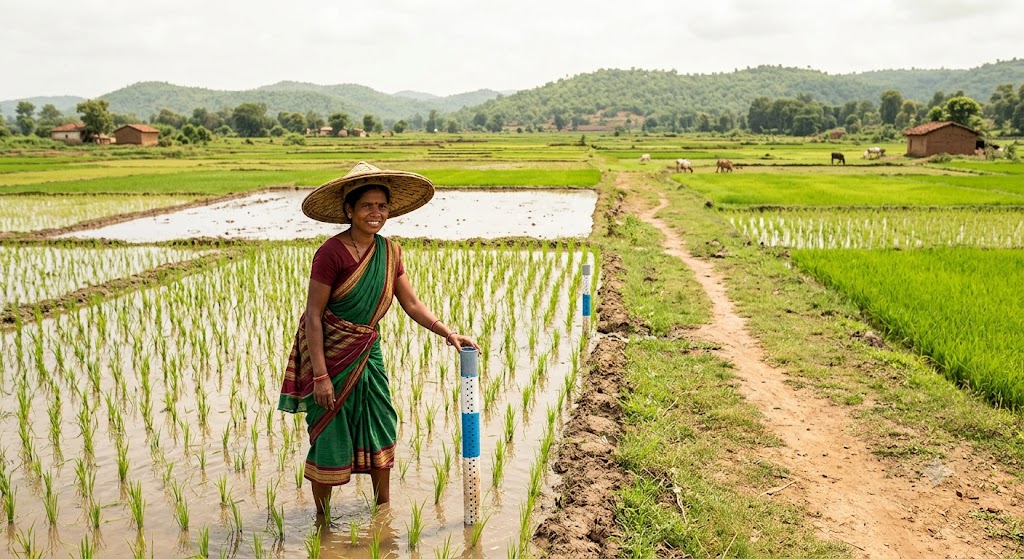
Developing Gold Standard Programme of Activity at India level on Alternate Wet Drying in Rice paddy field

  • Identify eligible farmlands in North eastern states, Odisha and Madhya Pradesh for project interventions
  • Evaluating emission reduction in rice field in baseline situation without implementation of AWD technique and project emissions after implementation of AWD
  • Measures CH4 and N2O emissions in rice field
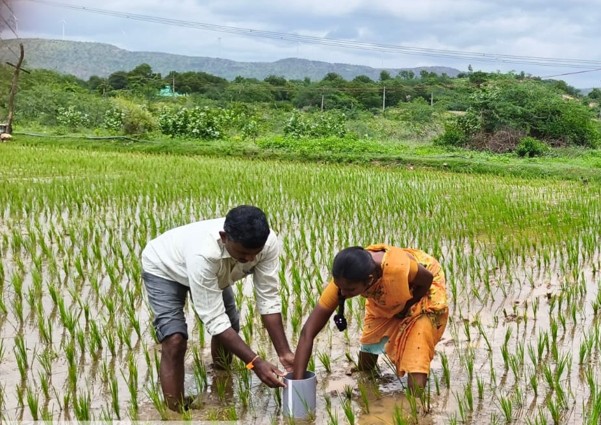
  • Regular engagement with farmers and check their water level measurement technique as per Gold Standard monitoring methodology requirements
  • Aim of this programme to work with multiple farmers across India and carbon revenue goes to farmers which will help them to improve farming practice as well as livelihood

Alternate Wetting and Drying (AWD) Programme- Chhattisgarh, India

Client: Prithu
  • Supported the implementation of the Alternate Wetting and Drying (AWD) programme in rice cultivation in Chhattisgarh.
  • Promoted water-efficient irrigation practices to reduce agricultural water consumption.
  • Contributed to methane emission avoidance by reducing the duration of continuous flooding in rice fields.
  • Improved water-use efficiency while maintaining or enhancing crop yields and farm productivity.
  • Generated multiple Sustainable Development Goal (SDG) benefits, including climate change mitigation, sustainable water management, and improved farmer livelihoods.
  • Supported project monitoring, emissions quantification, reporting, and documentation of environmental and socio-economic impacts.

Carbon Advisory & Feasibility Study for a Clean Cooking Carbon Project

Client: AVSI Foundation
  • Assessing the applicability of Verra (VCS) and Gold Standard methodologies for improved cookstove projects.
  • Evaluating baseline conditions, technology suitability, beneficiary eligibility, household cooking practices, and implementation requirements.
  • Estimating emission reduction potential, carbon credit generation, and monitoring requirements for project implementation.
  • Reviewing DRC's regulatory framework, international climate commitments, and opportunities under Article 6 and voluntary carbon markets.
  • Preparing implementation, validation, verification, and registration pathways to support successful project execution.

Capacity Building for Climate-Smart Agriculture & Carbon Markets in India

Client: Environmental Defense Fund (EDF)
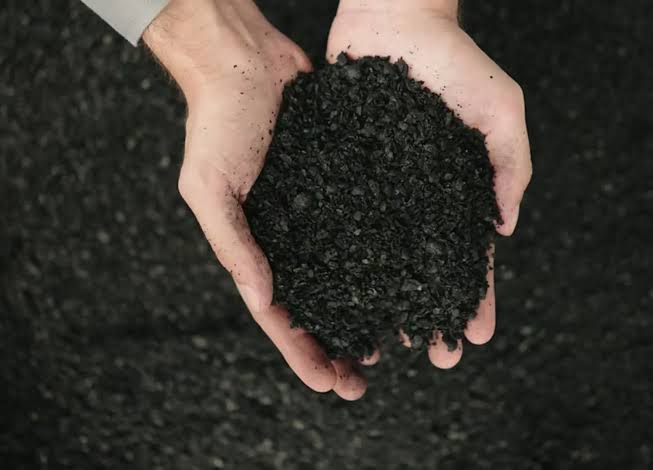
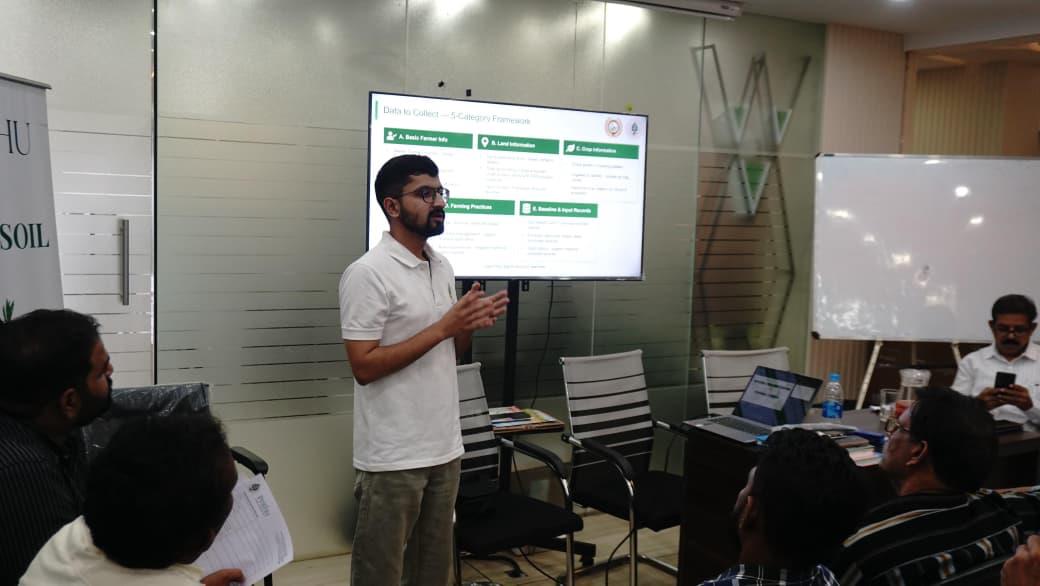
  • Developed comprehensive technical training modules on Alternate Wetting and Drying (AWD), Biochar, Soil Organic Carbon (SOC), and Regenerative Agriculture.
  • Designed and delivered a two-day training programme to enhance the technical capacity of agricultural universities on climate-smart agriculture and carbon market opportunities.
  • Introduced participants to voluntary carbon markets, agricultural carbon methodologies, and opportunities for generating carbon credits through sustainable farming practices.
  • Developed practical, evidence-based learning materials incorporating global best practices, methodologies, and case studies to support long-term institutional capacity.
  • Facilitated interactive discussions with academic institutions, researchers, and sector experts to promote knowledge exchange and adoption of climate-smart agricultural practices.

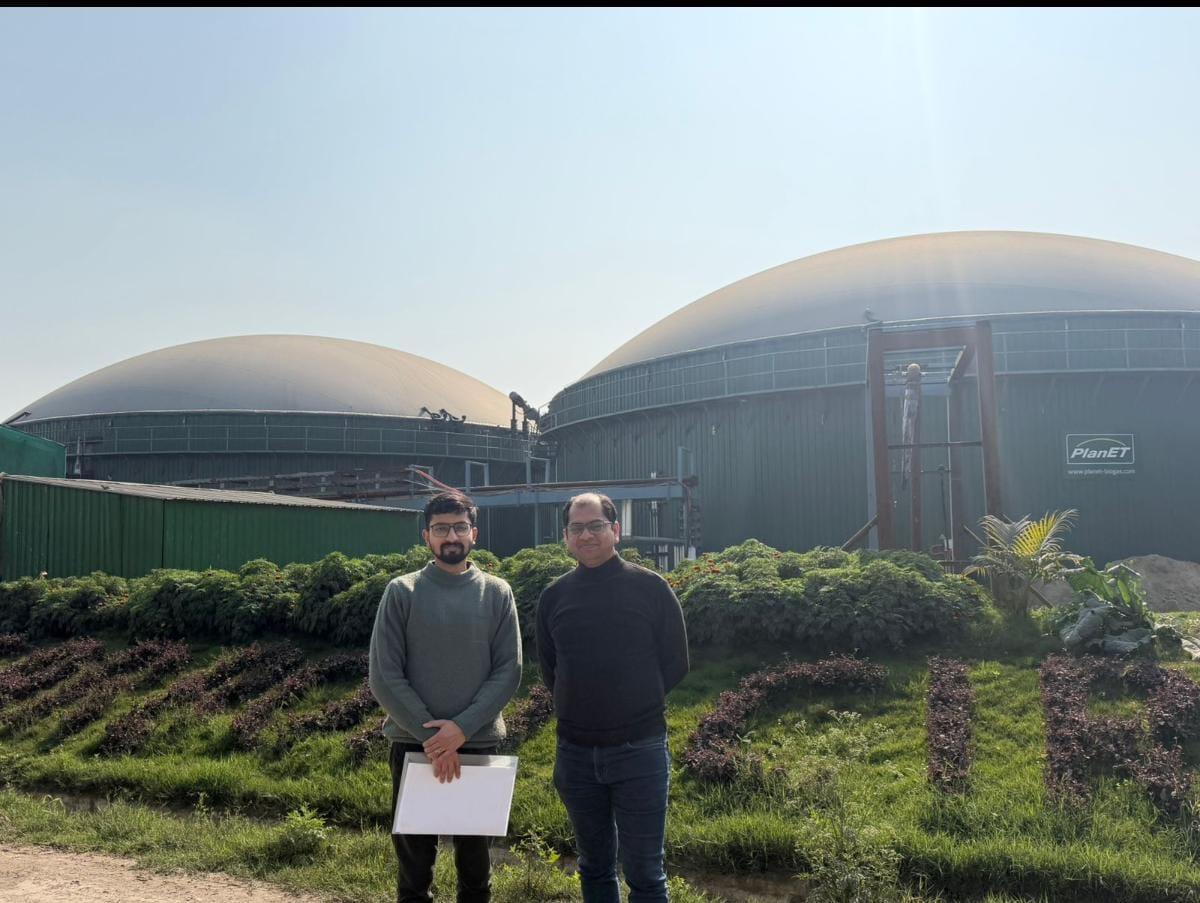
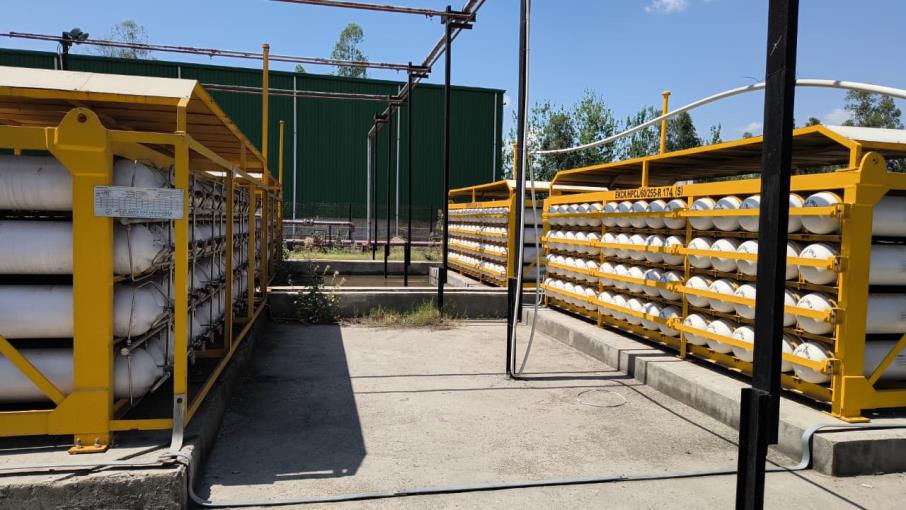
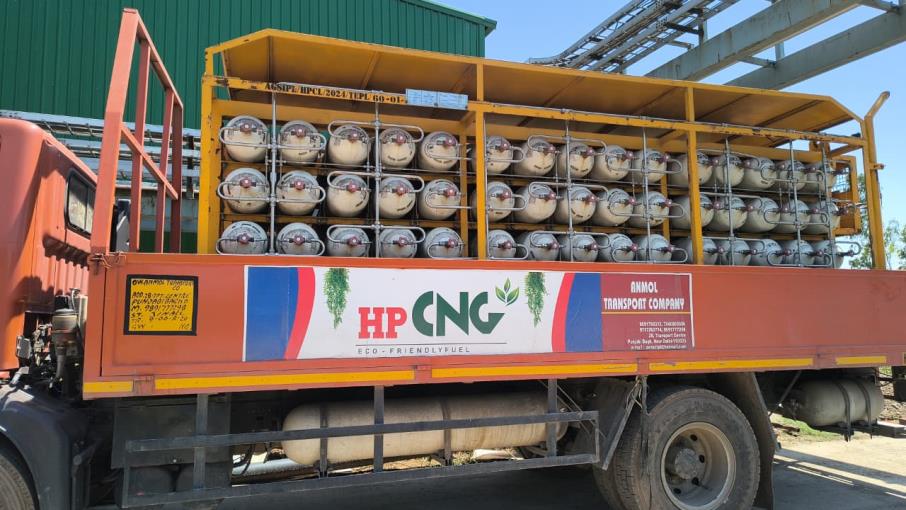
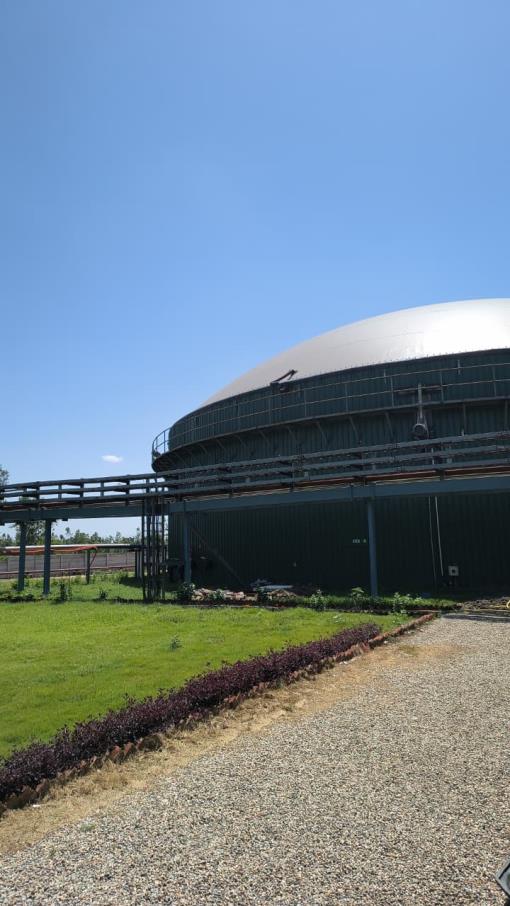
Grouped BioCNG Carbon Project Development in India

Client: Carbon Circle Pvt Ltd
  • Developing a grouped BioCNG carbon project under the Verra Verified Carbon Standard to enable the generation and monetization of high-quality carbon credits.
  • Preparing the Project Design Document (PDD), monitoring documentation, stakeholder consultation reports, and all technical documentation required for project registration.
  • Coordinating with Validation and Verification Bodies (VVBs), supporting validation and verification processes, and facilitating project registration and carbon credit issuance.
  • Developing monitoring frameworks and building client capacity for project implementation and long-term monitoring in accordance with carbon standard requirements.
  • Supporting the assessment and application of Article 6 mechanisms to enhance the project's future participation in international carbon markets.

Soil Organic Carbon (SOC) Programme- Maharashtra, India

Client: Prithu
  • Supported the implementation of a Soil Organic Carbon (SOC) programme across agricultural landscapes in Maharashtra.
  • Promoted regenerative agricultural practices to enhance soil carbon sequestration and long-term soil health.
  • Contributed to greenhouse gas emission reductions through sustainable land management and increased soil carbon storage.
  • Enhanced farm productivity, soil fertility, water retention capacity, and resilience to climate change.
  • Generated multiple Sustainable Development Goal (SDG) benefits, including improved livelihoods, biodiversity conservation, and sustainable agricultural practices.
  • Supported project monitoring, carbon accounting, reporting, and documentation of environmental and social impacts.

Have a climate project in mind?

Let NatureFIX help assess its technical, policy and carbon-market potential.

Discuss Your Project